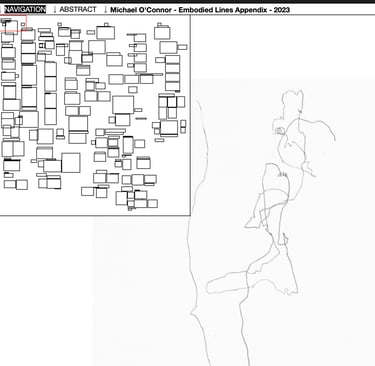
Embodied Lines Appendix: Practice-based research 2018-2023
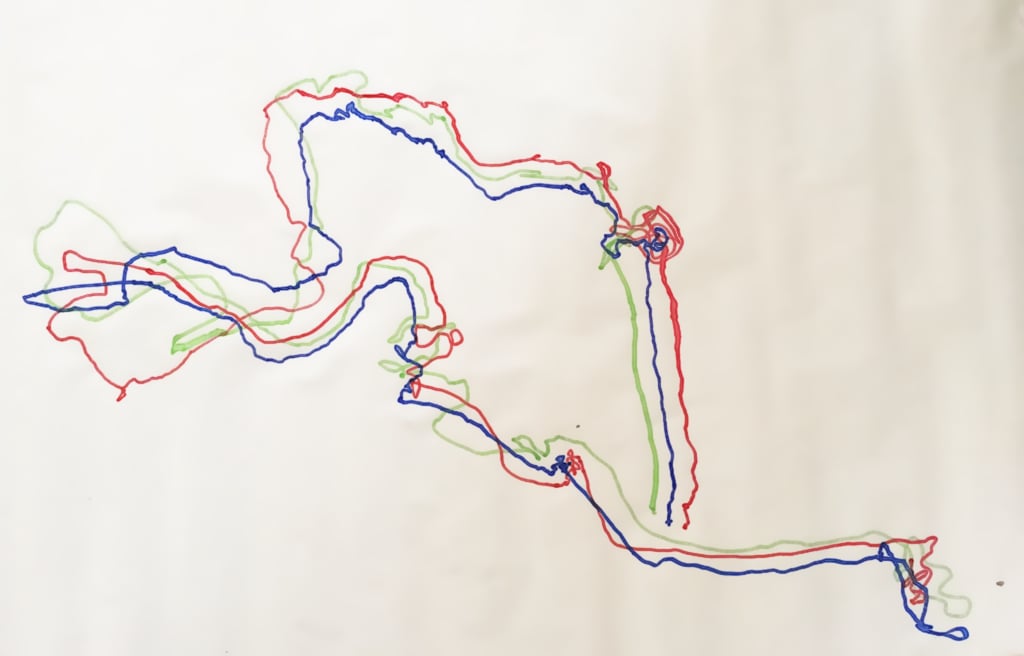
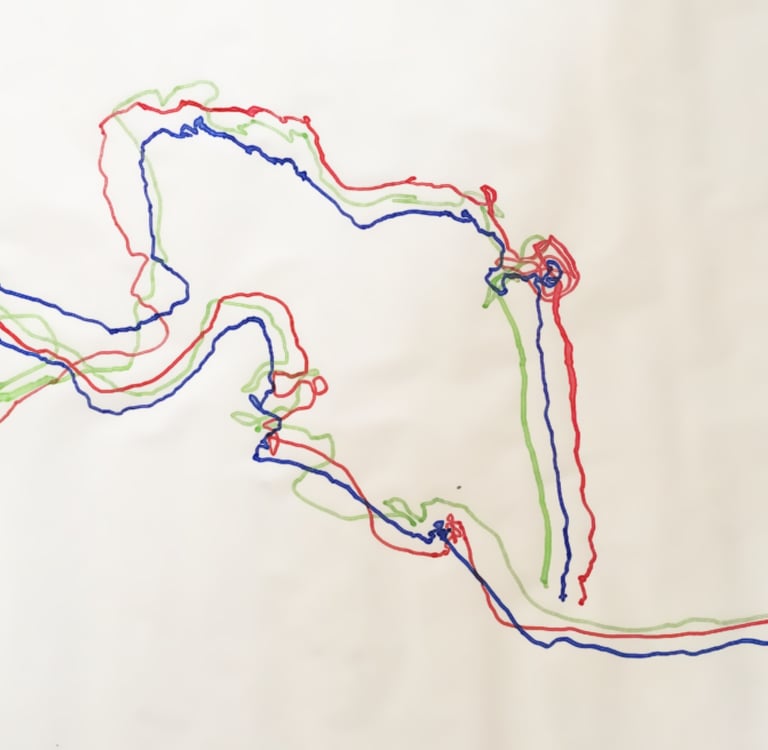




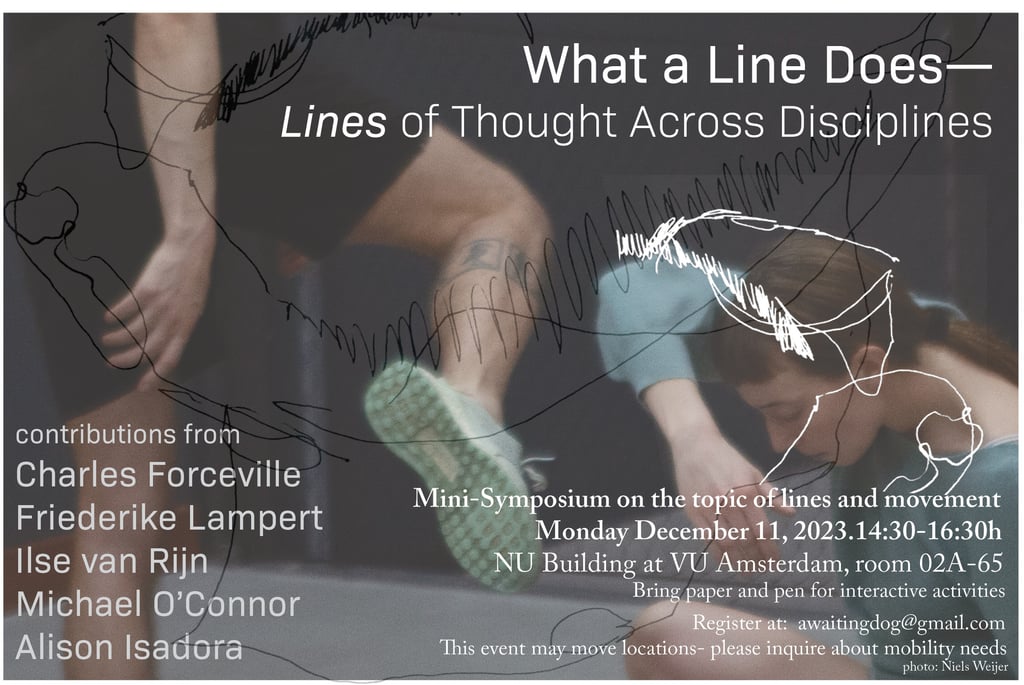

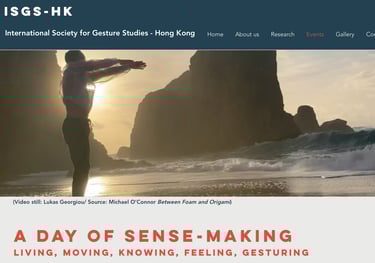
Moving Bodies. Moving Landscapes.
Michael O’Connor* & Prof. Alan Cienki** (*Doctorate Student, Faculty of Humanities, Vrije Universiteit Amsterdam; **Professor of Language Use & Cognition and English Linguistics, Faculty of Humanities, Vrije Universiteit Amsterdam)
Movement, in improvisational dance, is used in the present project to form dialogic relationships between several theoretical principles, and between dancers and the environment they dance in. In this context, lines become a tool to make sense and create meaning that is situated. Here we find a type of withness, a term from John Shotter, that describes a responsive way of moving in our environment and with other moving bodies, one which creates temporary forms of knowledge. Withness can be seen as having some overlap with terms like ‘participatory sense-making’ and ‘intra-action’, where what comes to matter is made with and through interactions of moving parts and bodies. The talk will introduce the idea of ‘Embodied Lines’ as a bridging concept, uniting theoretical notions from movement analysis and the cognitive sciences with artistic and dance practices.
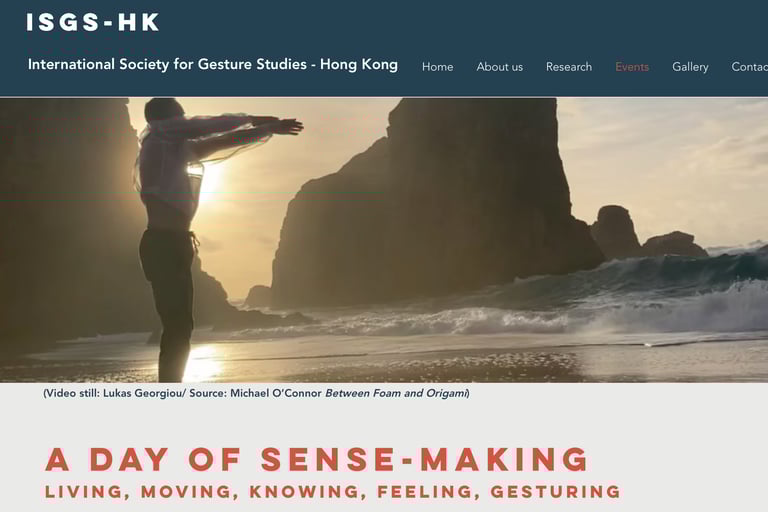
Mini-Symposium - "What a Line Does: Lines of Thought Across Disciplines"
2:30 PM - 4:30 PM NU Building, Room 02A-65
Following the defense, an exciting Mini-Symposium awaits, exploring lines and movement from diverse perspectives. This symposium features contributions from various fields and practices, including insights from Dr. Charles Forceville, Prof. Dr. Friederike Lampert, Dr. Ilse van Riin, Dr. Alison Isadora, and with artistic practices from Michael O’Connor. This event offers a unique opportunity to delve into the realm of lines, exploring connections between the realms of mind, body, and environment.
METAPHOR AND SPACE June 23-26, 2021
Research and Applied Metaphor (RaAM)
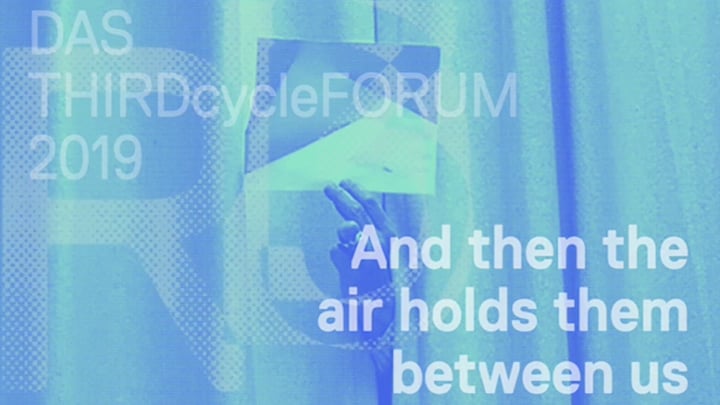
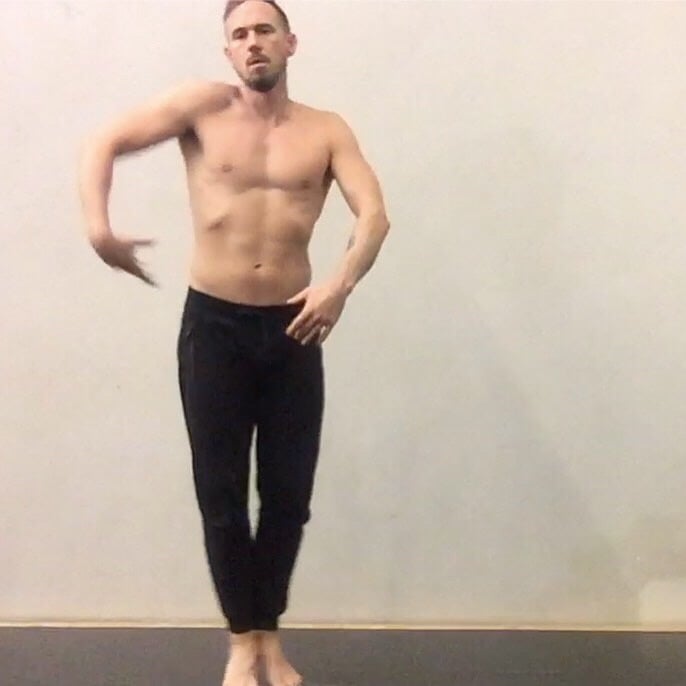
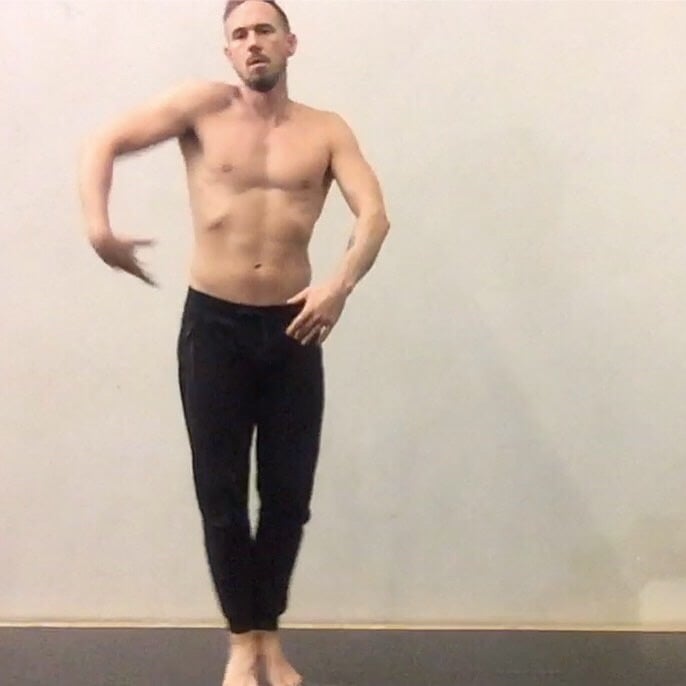
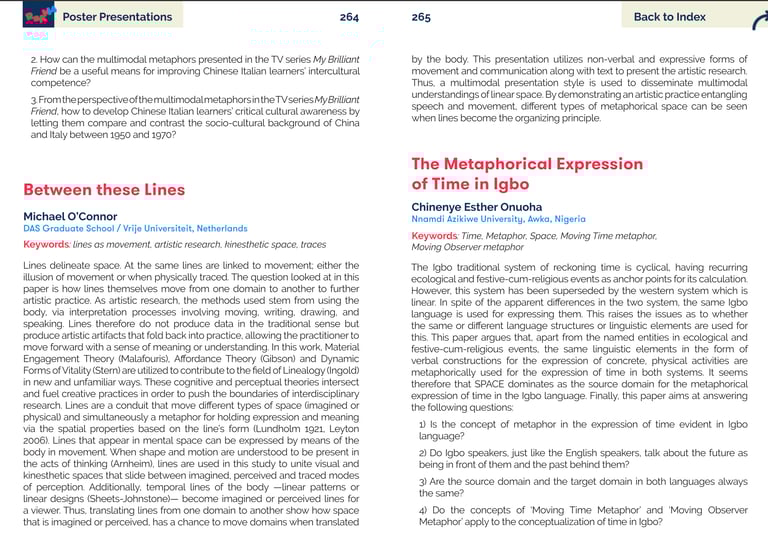
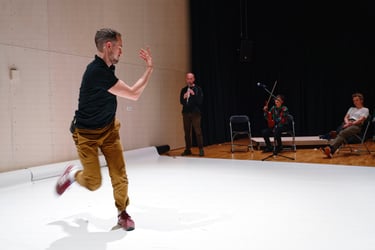
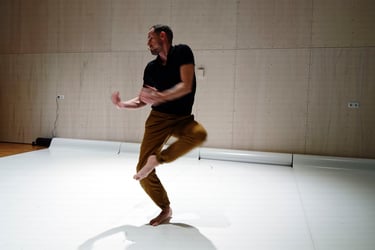
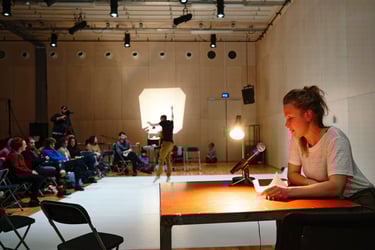
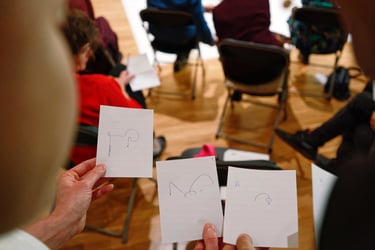
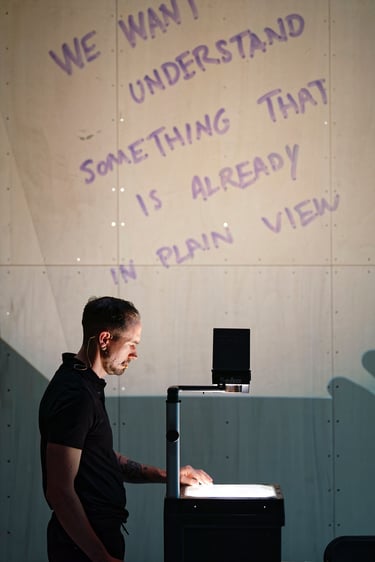
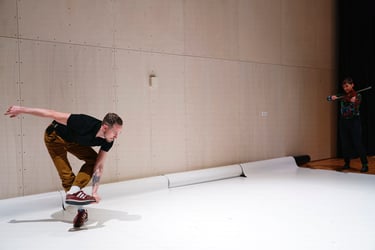
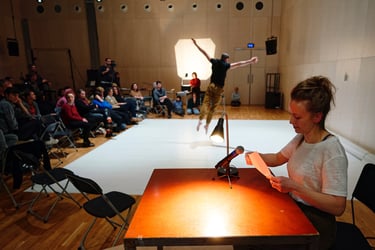
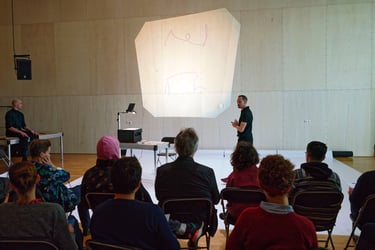
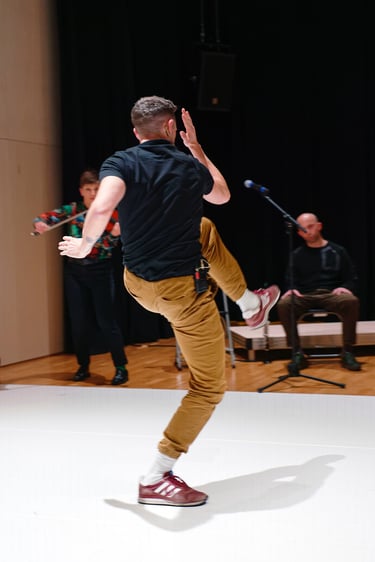
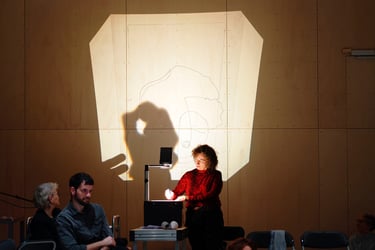
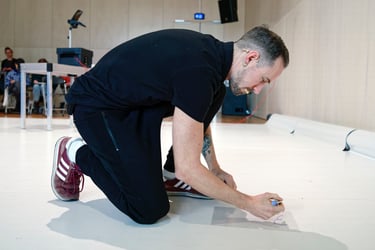

DAS THIRDcycle Forum 2019
and then the air holds them between us
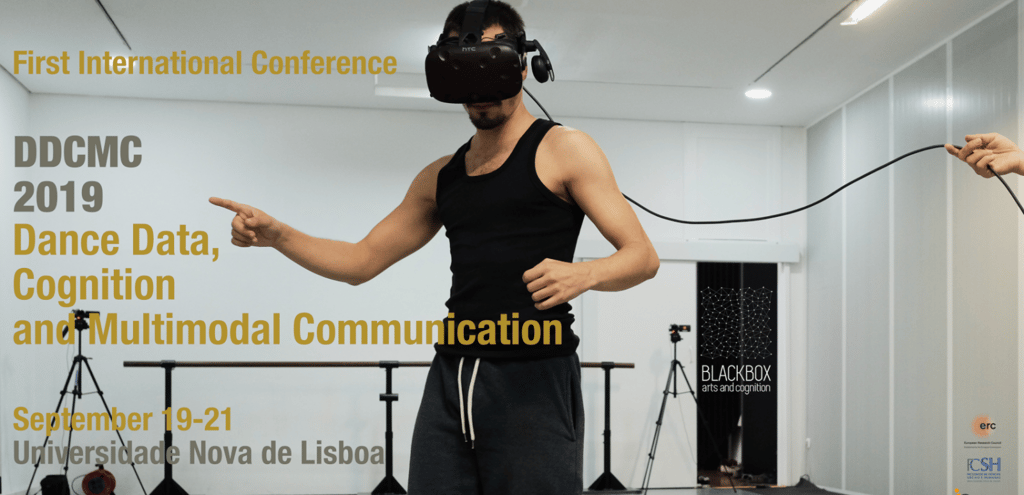
Lines of Experience: Imagined, Bodily, Perceived.
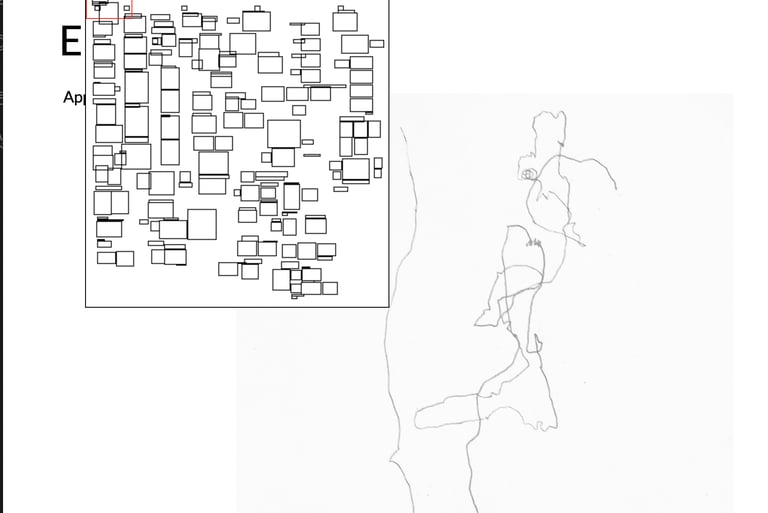
Along These Lines: a presentation of artistic research in 3 parts. Lines drawn, lines danced and lines of music composed from movement.
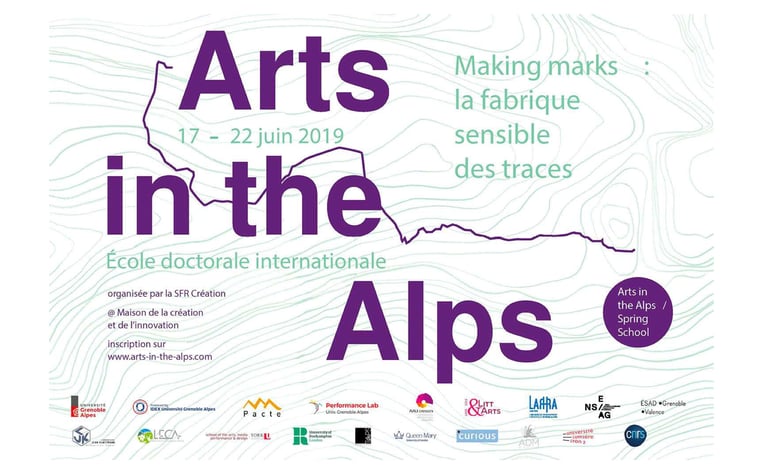
Presented Embodied Lines
Summer School Grenoble
Touching thoughts: Creatively materializing immaterial concepts
Michael O'Connor & Alan Cienki
Amsterdam University of the Arts (Netherlands), Vrije Universiteit Amsterdam (Netherlands)
Two directions frequently taken in metaphor research are that of analyzing materials for
the potential metaphoric use of their elements and that of analyzing people's
comprehension or interpretation of given metaphorical expressions used as stimuli. By
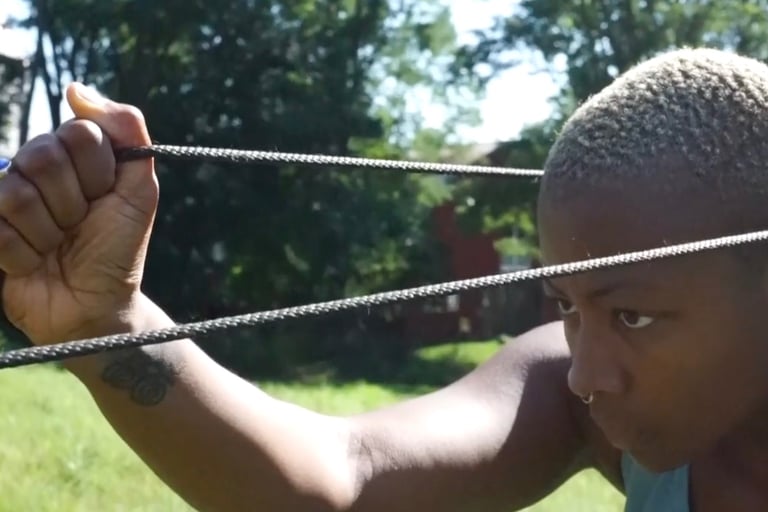
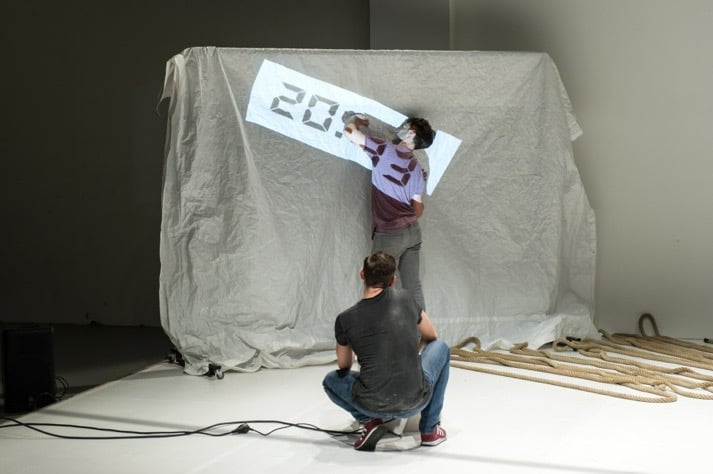
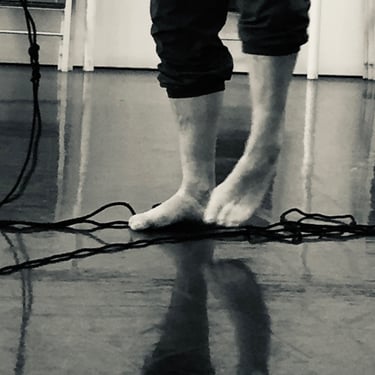
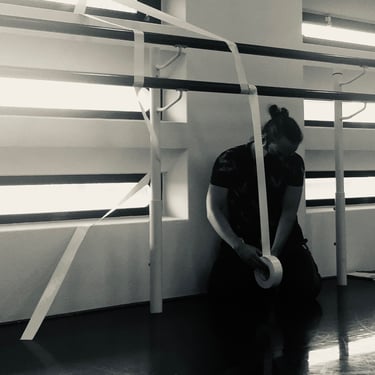
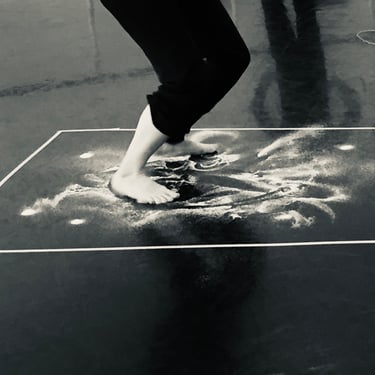
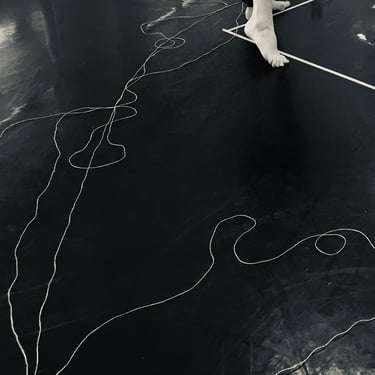
contrast, the practice proposed here concerns the artistic process of creative metaphor
development by means of physical movement, contact, and touch in combination with the
spatial properties of a material artifact. Expanding upon Material Engagement Theory
(Malafouris 2004; Renfrew 2004) where activity with materiality constructs "powerful
associative links among material things, bodies, and brains" (Malafouris 2013: 65), the
practice poses the question: if concepts are bodily-based and learned through experience,
does allowing immaterial concepts (thought, life, and time) to become three-dimensional
materials generate insight about those concepts through actual physical exploration in
ways that seeing alone cannot? As part of a theoretical exploration of the dynamics of
metaphorization and realization via a physical approach, this practice uses simple
materials like ropes to stand in for the linearity of the PATHWAY image schema (Lakoff
1980) that underpins some ontological metaphors. 20 participants in a trial study
interacted with the material and wrote new metaphors that directly came from the activity.
This method sought to explicitly activate potential source domain qualities (linearity,
knots, length, flexibility, tautness, an object with two ends) which could then be applied to
different target domains (life, a relationship, thinking). By engaging with both the natural
and atypical affordances of the material, not only conventional, but also novel and vague
or surreal metaphors could be written about the concepts. The texture of the object
resulted in new text. This method could be applied in contexts such as therapeutic settings,
in the teaching of cognitive linguistic concepts of embodied meaning, and in the
production of aesthetic and conceptual works.
Nominated for Christina Alm Arvius best PhD student paper award.
Metaphors in Motion: Making sense of contemporary dance symposium. Vereniging voor Dansonderzoek, SPRING Festival. Utrecht
Presented: Metaphorical Objects
Presented Rope as a Thought. And sat on panel for neuroscience and embodied metaphor
Love is an Action:
Paper presented at Practice as Research Conference. Coventry UK, 2014 and
Festival of Art as Research, Ottersberg Germany.
Dis/p
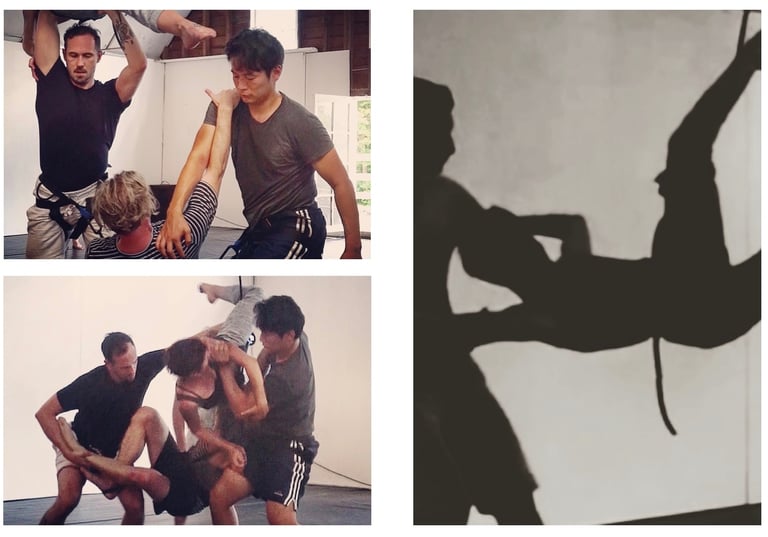
Historically people of color, woman, gay people, people with disabilities and immigrants have had their bodies de-valued. Between a (mythical) center-periphery schematic, of those in power against those marginalized to the edges, exists the in-between space where our identities and abilities intra-act and define each other. It is these types of intra-actions that define and label identities. Undervalued bodies usually are not represented in aesthetic norms. By questioning how certain aesthetics could change if we give more space for undervalued bodies., traditional aesthetics like symmetry, flow and ease can be challenged. Our bodies become entangled, weight sharing is sporadic and we break momentum to stop trajectories.
Research Residencies :
OMI New York 2016
Theatrehaus Berlin 2017
DansMakers Amsterdam 2017
Ufer Studios Month of Research Berlin 2017